Safe and Stylish Engineered Stone Alternatives for Australian Homes
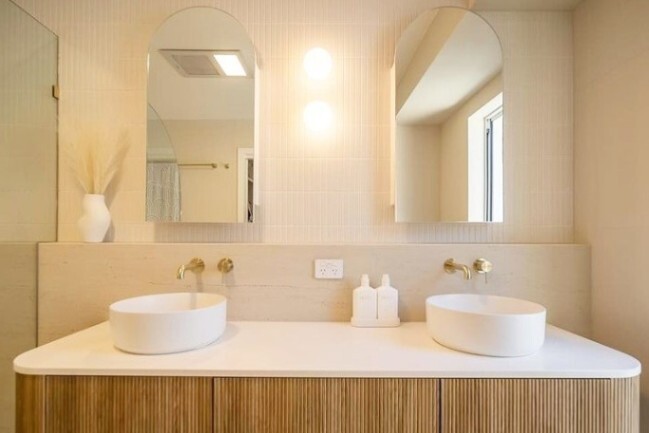
With Australia’s 2024 engineered stone ban in place, many renovators are now facing the same question: “If I can’t use engineered stone, what should I choose instead?”
You may be worried about safety, cost, durability or losing the look you originally fell in love with. If you’re unsure where to turn—or worried about cost, maintenance or design limitations—you’re not alone.
Thankfully, materials like porcelain, mineral surfaces, natural stone, timber and laminate now offer beautiful, low-risk options that suit every budget and aesthetic. Paired with refined tapware from Nero, these alternatives allow you to create a kitchen or bathroom that feels considered, contemporary and confidently your own.
This guide is designed to do three things: clearly explain what the engineered stone ban means for homeowners, walk you through the main alternatives (with realistic pros, cons and cost bands), and show how to pair your chosen surface with Nero tapware for a kitchen or bathroom that feels intentional and future-proof.
Key Takeaways
- The engineered stone ban protects workers: Australia banned the supply, manufacture and installation of engineered stone on 1 July 2024 to prevent deadly silicosis. Homeowners with existing benchtops are not at risk but future projects must use other materials.
- Many safe and attractive alternatives exist: Porcelain, mineral surfaces, natural stone, timber, laminate, solid surface and recycled materials all offer beauty, durability and individuality. Each has its own feel, cost and care needs.
- Choose materials intentionally: When selecting benchtops, consider durability, maintenance, cost, sustainability and how the finish will work with tapware and fittings. High‑quality tapware like Nero Tapware’s Mecca, Serenity, and Zen collections can elevate any surface.
- A people‑first decision pays off: Thoughtful design and trusted materials create spaces that feel like home. The right benchtop and tapware combination reflects personal style, supports sustainability and stands the test of time.
What Does the Engineered Stone Ban Mean for Homeowners in Australia?
The Australian government banned the supply, manufacture, processing, and installation of engineered stone benchtops, panels and slabs from 1 July 2024. A further ban on the importation of engineered stone benchtops, panels and slabs takes effect from 1 January 2025, enforced at the border.
The ban aims to reduce cases of silicosis, a deadly lung disease caused by inhaling crystalline silica dust. Engineered stone often contains more than 90% crystalline silica, and cutting or grinding it can release dangerous dust.
Existing engineered stone benchtops are considered very low-risk for homeowners when left undisturbed. You don’t need to rip out your current benchtops purely because of the ban. The danger arises if they’re cut, ground or drilled, which should only be done by appropriately licensed professionals under strict safety controls.
If you planned a renovation after the ban, you must choose an alternative material. Some states and territories allowed limited transitional arrangements for contracts signed before the ban dates. Always check your state or territory regulator for the exact rules where you live, but most households now need to look beyond engineered stone.
In short, the engineered stone ban changes what you can install in future projects, not whether your current kitchen is safe to walk into.
Also Read: Ultimate Travertine Guide: What It Is, Types, Cost, Installation & Care
5 Factors to Consider: How to Choose a Safe Engineered Stone Alternative
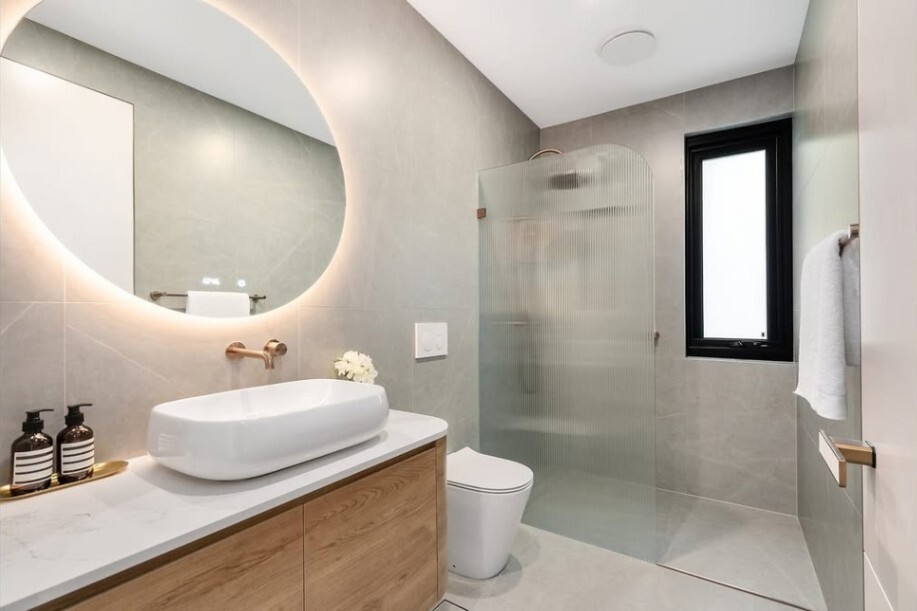
With so many engineered stone alternatives now available in Australia, start by asking yourself a few key questions about how you live, cook and use your space. Consider the following factors before making a decision:
1. Durability and function
Benchtops endure daily wear.
- Think about how often you cook, whether you tend to put hot pans down directly, and how likely scratches and stains are in your household.
- Porcelain, mineral surfaces and ultracompact (sintered) stone handle heat, knives and spills extremely well.
- Timber and concrete add warmth and texture but usually need sealing and a little more care.
Choosing a material that suits how you actually live is more important than chasing a showroom finish.
2. Aesthetic and finish
Your benchtop is one of the biggest visual surfaces in the room, so it needs to complement your cabinetry, flooring, splashback and tapware.
- Decide whether you’re drawn to minimalist, industrial, coastal, traditional or Japandi moods.
- Smooth porcelain, veined natural stone, raw timber and speckled terrazzo each send a different design message.
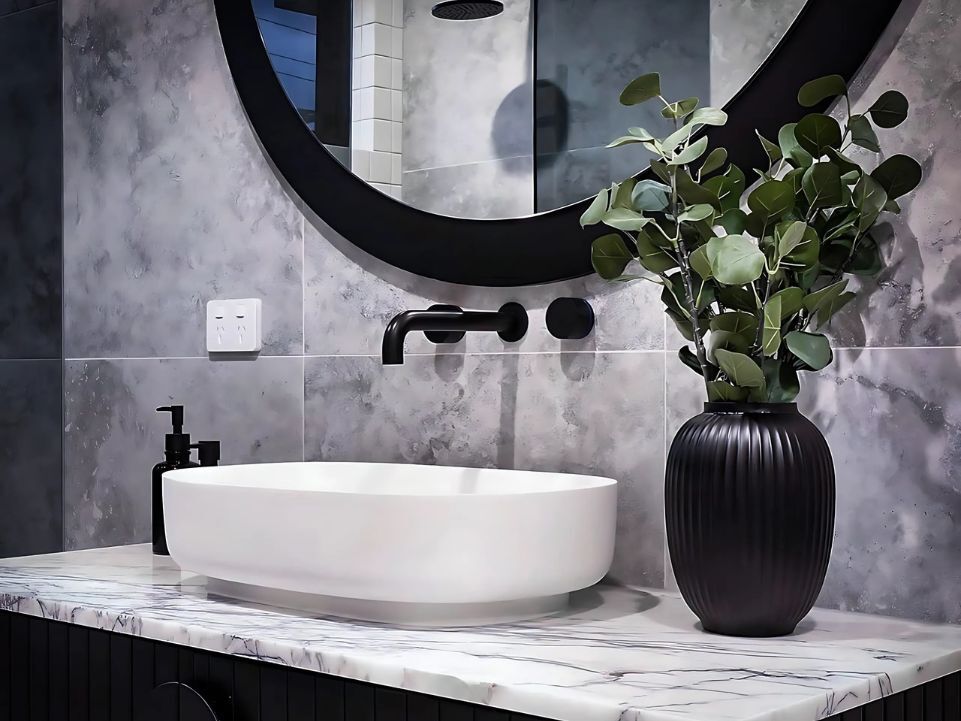
- Nero Tapware’s contemporary collections—from the sleek Mecca, Bianca, and Opal lines to the organic Zen range—offer finishes like brushed nickel, brushed gold, matte black and gun metal that can either echo or contrast your benchtop in a considered way.
3. Budget
Material costs vary widely, and so do installation costs.
- Laminate and some timber options are the most budget-friendly.
- Ultracompact surfaces, premium natural stone and custom concrete sit at the premium end.
- Heavy slabs and very hard materials may also require more complex installation.
If your budget is tight, choosing a cost-effective benchtop such as laminate or butcher-block timber can free up funds for higher-quality tapware and hardware – the elements you see and touch every day.
4. Maintenance
Every material comes with its own care routine, so ask how much upkeep your chosen material requires.
- Low-maintenance options such as porcelain, mineral surfaces, ultracompact stone and solid surface are typically non-porous and wipe-clean.
- Natural stones like marble and limestone usually require periodic resealing and gentle cleaners.
- Timber and concrete need resealing and prompt cleaning to avoid stains or water damage.
Be honest about how much upkeep you’re willing to take on; a surface that stresses you out every time someone cooks probably isn’t the right fit.
5. Sustainability
If sustainability matters to you, look for materials with recycled content (such as recycled glass or some terrazzo), sustainably sourced timber, and low-silica, low-VOC formulations. Nero Tapware also prioritises sustainability with water‑efficient engineering and recyclable packaging. That means you can choose an engineered stone alternative that not only looks good but also aligns with your environmental values.
🔹Expert Tip: Always hire an experienced stonemason or carpenter to cut and install your benchtop. Correct supports, joinery and sealing often make more difference to longevity than the brand name on the slab.
Also Read: [Guide] What is Bluestone? | Types, Benefits, Applications, Installation & Maintenance
Best Alternatives to Engineered Stone: 12 Materials to Consider
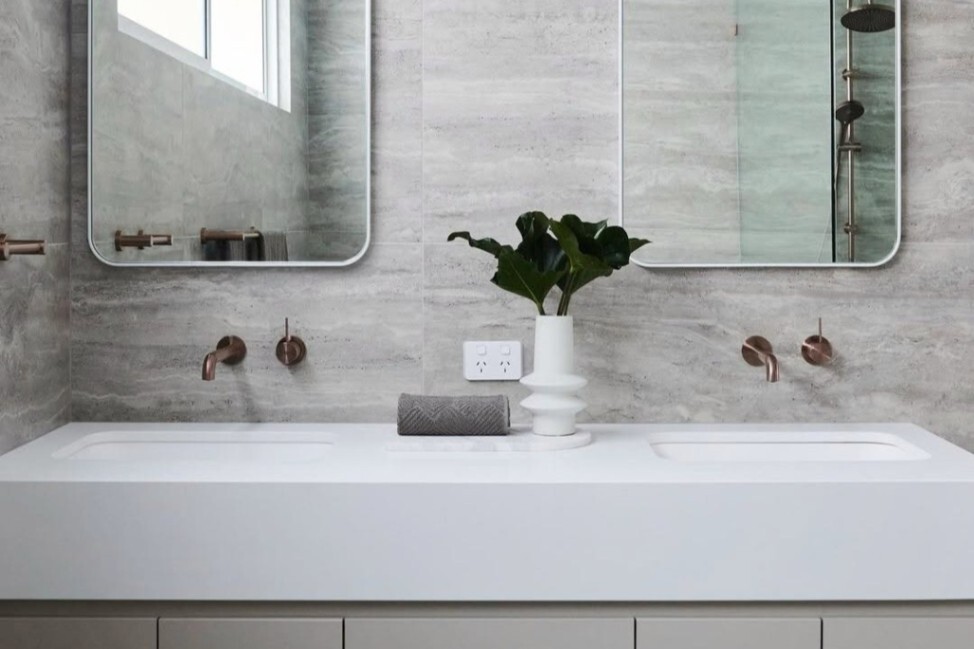
Below are twelve material families that can step into engineered stone’s role – each offering safe, stylish engineered stone alternatives for Australian kitchens, bathrooms and laundries.
Alternative 1. Porcelain surfaces – best all-rounder for busy kitchens
Porcelain benchtops are made from refined clays fired at very high temperatures into dense, non-porous slabs. They can be produced with stone-like patterns, concrete looks or solid colours.
Pros
Porcelain is often recommended as a direct swap for engineered stone because it is:
- Lighter than thick stone
- Resists most stains and scratches
- Handles hot cookware better than many resin-based products
- Comes in large-format slabs that reduce visible joins
It’s suitable for kitchens, bathrooms and, in some cases, covered outdoor areas.
Cons
The main drawbacks are:
- Limited edge-profile options
- The need for careful handling during fabrication and installation, as the slabs can be brittle until they’re fully supported.
Where It Works Best / Who It Suits
Porcelain suits busy households that cook often and want a low-maintenance, stone-like surface without the silica concerns of traditional engineered stone.
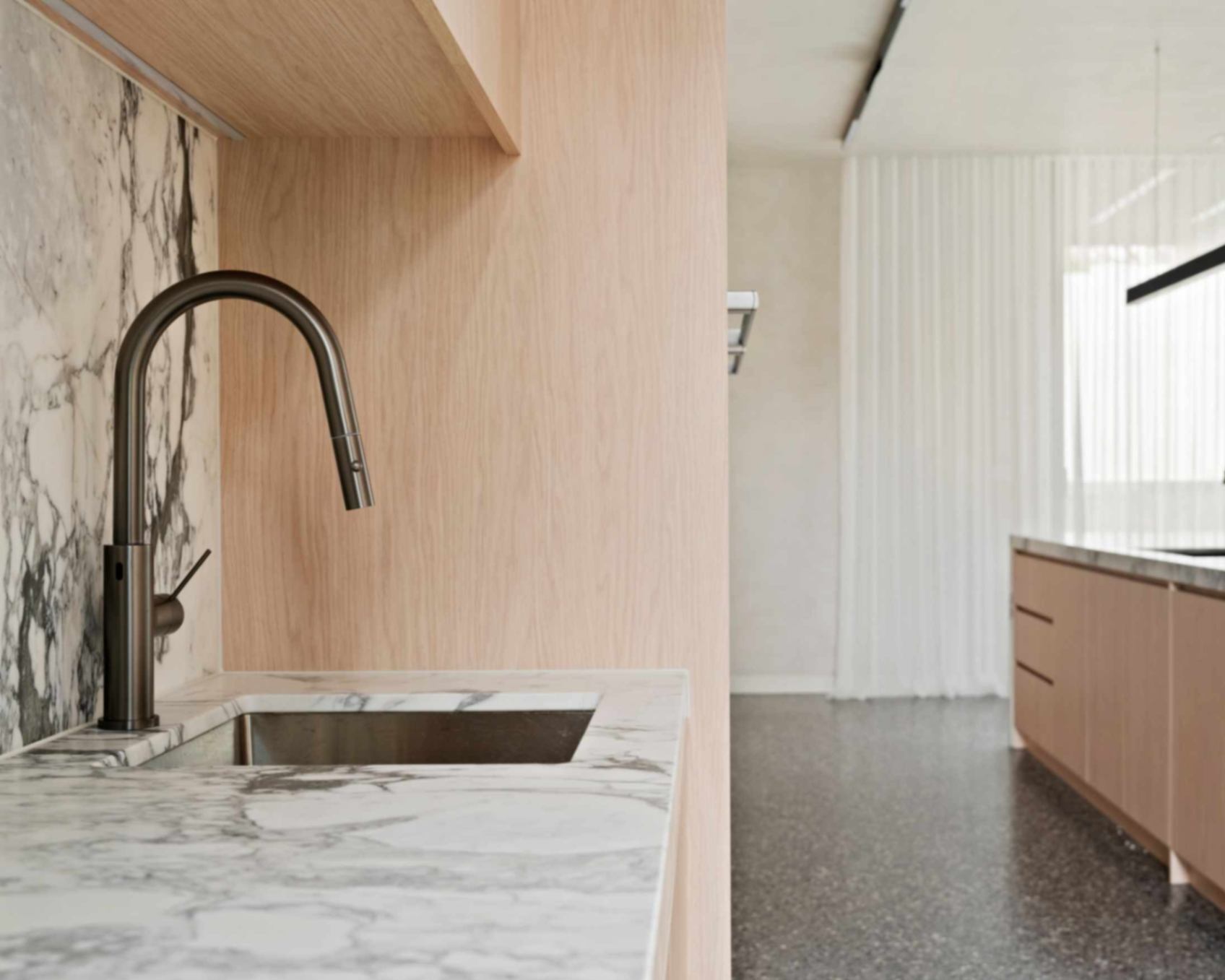
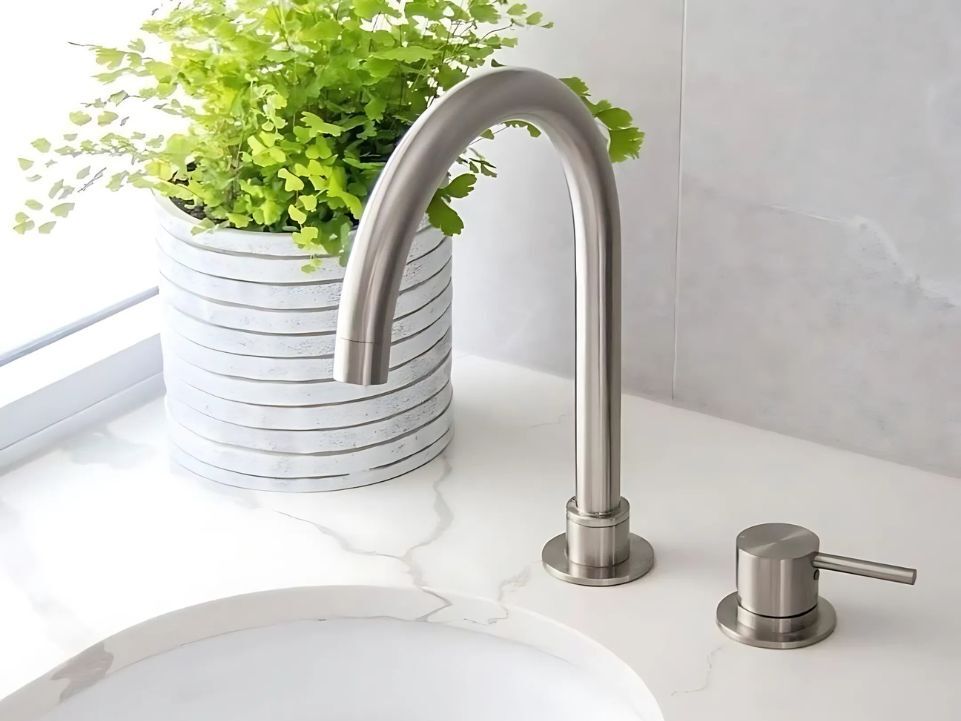
🔹Nero Design Tip: Pair a soft stone-look porcelain benchtop with Nero’s Serenity collection in brushed nickel. The satin finish complements porcelain’s smooth surface and creates a calm, light-filled kitchen that still feels robust enough for everyday use. This collection is also available in 5 marble handle options to match your benchtop. Learn more about Nero Serenity’s timeless beauty here.
Alternative 2. Mineral and zero-silica surfaces – best for ‘engineered-stone’ look without silica
Mineral surfaces—sometimes marketed as “new‑generation engineered stone” or mineral-based zero-silica ranges—are made from minerals and resins without crystalline silica, with some products allowing for trace levels (up to about 1%). They’re designed to comply with new safety regulations and are treated as safe alternatives to traditional high-silica engineered stone.
In everyday terms, mineral surfaces give you a very similar look and feel to traditional engineered stone, but reformulated so fabricators don’t face the same silica-dust hazards.
Brands like Caesarstone have introduced mineral surfaces and porcelain ranges that retain the look and feel of stone while complying with safety regulations.
Pros
- These products are non-porous, stain-resistant and offered in a wide range of colours and patterns, including very convincing marble and concrete looks.
- Brands that once focused on high-silica engineered stone now offer mineral and porcelain ranges that give a similar visual effect while reducing fabrication risks.
Cons
- As with any composite product, they require reputable suppliers and fabricators who understand the new standards.
- Pricing typically sits in the mid-range, comparable to good-quality stone or premium laminates.
Where It Works Best / Who It Suits
Works best in kitchens and bathrooms where you originally planned engineered stone and still want that clean, consistent, stone-like look. It also suits renovators who value low-maintenance surfaces, care about fabrication safety and are comfortable with a mid-range budget.
Alternative 3. Ultracompact surfaces (sintered stone) – best for maximum durability and slim profiles
Ultracompact surfaces, often called sintered stone, are formed by compressing minerals found in glass, porcelain and quartz under extreme heat and pressure into very dense slabs.
Pros
- They are among the most hard-wearing benchtop materials on the market: highly resistant to heat, scratches, stains and UV exposure.
- Large-format slabs are available in slim profiles, which reduces grout lines and joins and allows for sleek, contemporary edges on benchtops and splashbacks.
Cons
On the downside, ultracompact surfaces:
- Usually sit at the premium end of the price spectrum
- Require skilled fabrication with specialist tools due to their density.
Repairs can also be more complex than with softer materials.
Where It Works Best / Who It Suits
Think of ultracompact surfaces as a super-tough, man-made stone ideal for:
- Families who cook frequently
- Entertainers who use every inch of benchtop space
- Outdoor kitchens that need to withstand Australian conditions.
Alternative 4. Natural Stone: Marble, Granite and Beyond
Natural stone includes marble, granite, limestone, travertine, bluestone, soapstone, and quartzite – each slab geologically unique, with its own veining, fossils and colour variations.
Pros
- Marble offers a soft, luxurious look with dramatic veining, but it is relatively porous and can chip, etch and stain if spills are not wiped up promptly.
- Granite is harder and more stain-resistant, with speckled patterns that disguise everyday marks.
- Limestone and travertine bring warm, chalky tones and relaxed character but need regular sealing.
- Bluestone (typically a dense grey or charcoal stone) provides a more robust, architectural look.
- Soapstone and quartzite add further options from silky, dark surfaces to marble-like patterns with generally higher scratch resistance.
Cons
- Natural stone can sometimes be priced similarly to premium man-made products, but it demands a realistic attitude to patina.
- Sealing, gentle cleaning and a willingness to accept small imperfections over time are all part of living with stone.
Where It Works Best / Who It Suits
Natural stone suits design-driven renovators who value character and authenticity, and who don’t mind a little extra care in exchange for a one-of-a-kind surface.
🔹Nero Design Tip: A honed marble island paired with Nero’s Opal collection in brushed gold creates a warm, timeless look. The soft metallic tapware picks up the stone’s veining without competing with it.
Also Read:
- The Ultimate Granite Buyer's Guide: From Luxe Benchtops to Bulletproof Floors (Everything You Need to Know)
- Limestone Ultimate Guide: Design Ideas, Costs & Care Tips - Nero Tapware
Alternative 5. Timber and compound wood – best for warmth in social zones
Timber benchtops bring warmth, tactility and a relaxed feel to kitchens, laundries and breakfast bars.
- Species like oak, spotted gum and bamboo each have distinct grain patterns.
- Butcher’s block and quality plywood provide more budget-friendly takes on a similar look.
Pros
- Timber is naturally pleasant to the touch and visually softens harder materials such as tiles and concrete.
- It can often be sanded and refinished, extending its life and allowing you to refresh the finish after years of use.
Cons
- However, timber is more vulnerable to water damage, staining and heat.
- It typically needs regular sealing and prompt wiping of spills, especially around sinks and dishwashers.
- Joints and edges must be detailed carefully to avoid long-term moisture issues.
Where It Works Best / Who It Suits
Timber benchtops work beautifully in social zones – islands, breakfast bars and study nooks – where tactile warmth and visual softness matter as much as heavy-duty performance. Ensure the timber is certified sustainably sourced.
🔹Nero Design Tip: Combine a timber benchtop with Nero’s Mecca matte black mixer for a modern coastal style. The contrast of wood and black metal echoes Australian beach houses.
Alternative 6. Laminate – best for budget-friendly makeovers
Laminate benchtops are made from compressed wood with a printed decorative layer and protective coating. Modern laminates can convincingly imitate stone, timber or concrete at a fraction of the cost of those materials.
Pros
- They are relatively light, easy to cut and quick to install, which keeps labour costs down and makes them ideal for DIY-driven or tightly budgeted projects.
- High-pressure laminates offer improved durability, richer textures and more realistic prints compared to older products.
Cons
The main vulnerability is heat and deep cutting:
- Very hot pans and sharp knives can damage the surface permanently
- Chips on edges can be difficult to repair seamlessly.
Edge decisions and careful use of trivets and chopping boards make a big difference to longevity.
Where It Works Best / Who It Suits
Laminate is a smart choice for budget makeovers, rental properties and secondary spaces such as laundries, where you want a fresh, cohesive look without a premium price tag.
Alternative 7. Solid surface (acrylic) – best for seamless, hygienic designs
Solid surface materials (such as Corian) are acrylic‑based composites that can be joined and thermoformed to create seamless benchtops, integrated sinks and softly curved edges.
Pros
- They’re non-porous, so they resist most stains and are easy to keep hygienic with simple cleaning.
- Scratches and minor damage can often be sanded out by a professional, restoring the surface.
- The ability to integrate sinks, coved splashbacks and smooth end profiles makes solid surface particularly appealing in bathrooms, laundries and minimalist kitchens.
Cons
- Solid surface does, however, require some care with heat and heavy impact.
- Very hot pots should be placed on trivets, not directly on the surface, and deep cuts can still mark the material.
Where It Works Best / Who It Suits
These surfaces suit homeowners who value a seamless, contemporary look and a gentle, warm-to-the-touch feel more than a rock-hard, stone-like benchtop.
Alternative 8. Concrete – best for industrial and contemporary spaces
Concrete benchtops provide a raw, industrial aesthetic and can be cast in place or fabricated off-site for a custom fit.
Pros
- They can be tinted with pigments, seeded with aggregates or lightly polished to reveal subtle variation.
- Concrete handles heat well and can be formed into thick, monolithic-looking islands or slim, cantilevered surfaces.
- Lightweight, fibre-reinforced mixes are increasingly used to reduce weight and shrinkage, improving performance in residential settings.
Cons
- The trade-off is maintenance: concrete is porous and needs sealing to resist stains, hairline cracking and water marks.
- Over time it will usually develop a patina of fine micro-cracks and subtle colour changes, which many homeowners love but others may find too rustic.
Where It Works Best / Who It Suits
Concrete is a strong option for contemporary Australian homes that blend earthy materials with clean lines, especially when combined with simple cabinetry and restrained colour palettes.
🔹Nero Design tip: Pair a concrete benchtop with Nero tapware in gun metal from the Opal or Bianca collections to reinforce an industrial, understated aesthetic that still feels refined.
Alternative 9. Stainless steel and metal – best for serious cooks and commercial-style kitchens
Stainless steel benchtops are the classic commercial-kitchen choice: heat-proof, non-porous and easy to wipe down quickly between tasks.
Pros
- They resist most stains, don’t require sealing and are ideal around cooktops and sinks where splashes and hot pots are common.
- Integrated sinks and upstands can be formed in a single piece, eliminating joins where grime might collect.
Cons
- The trade-off is that surface scratching is inevitable.
- Over time, the finish develops a brushed patina of fine marks that many people find appealing but which won’t suit those who prefer a pristine, glossy look.
- Fingerprints can also be more visible in some lighting.
Where It Works Best / Who It Suits
Stainless steel works well in homes where cooking is a serious daily activity and a professional, kitchen-forward mood is part of the design brief. Small accents in other metals such as copper or brass can be used as feature sections but are generally better reserved for smaller areas due to their softness and strong patina.
Alternative 10. Recycled glass and terrazzo – best for expressive, eco-conscious design
Recycled glass benchtops combine crushed glass fragments with cement or resin binders to create colourful, speckled surfaces. Terrazzo uses chips of marble, stone or glass set into a binder and then ground back to reveal a distinctive pattern.
Pros
- Both options can have strong eco credentials by reusing waste materials and offering excellent longevity.
- Many products are non-porous or can be sealed to resist stains, and they’re available in a wide palette – from subtle, tonal mixes to bold, graphic combinations that become a focal point of the room.
Cons
- These surfaces typically require professional fabrication and installation, and they can sit in the mid-to-premium price range depending on composition and supplier.
- Some cement-based versions may need periodic resealing to maintain stain resistance.
Where It Works Best / Who It Suits
Recycled glass and terrazzo are ideal if you want a benchtop that feels expressive and individual, and you like the idea of incorporating recycled content into your kitchen or bathroom.
🔹Nero Design tip: Let the benchtop be the hero and keep tapware simple – brushed nickel or matte black mixers from Nero’s Mecca or Serenity ranges will frame terrazzo or recycled glass patterns without competing with them.
Alternative 11. Ceramic and tile surfaces – best for flexible colour and pattern
Large-format ceramic slabs and tiled benchtops offer good heat and stain resistance along with a huge range of colours, shapes and textures. They can mimic stone and concrete or introduce bold colour and pattern where you want more personality.
Pros
- Tiles are relatively accessible and can be a cost-effective way to achieve a statement surface, especially when combined with more neutral cabinetry.
- Large-format tiles or porcelain slabs minimise grout lines, improving both appearance and cleanability.
Cons
- The main drawback is grout: it needs sealing and periodic cleaning to keep it looking fresh and to prevent staining.
- Edge detailing can also be more complex than with a single slab of stone or composite material.
Where It Works Best / Who It Suits
Ceramic and tile surfaces work well in smaller kitchens, laundries and bathrooms where you want to introduce pattern and interest without committing to a full stone budget.
Also Read:
- A Buyer's Guide: 27 Tips on How to Choose Bathroom Tiles
- 27 Stunning Bathroom Tile Ideas to Transform Your Space in 2025
Alternative 12. Innovative eco-materials – best for early adopters and future-focused renovators
New materials are emerging quickly in response to changing regulations and sustainability goals. These include:
- Fingerprint-resistant laminates that use nanotechnology to reduce smudging and surface wear
- Bamboo composite panels that grow from rapidly renewable resources
- Cork- or paper-resin composites with soft, matte textures
Pros
- These products often emphasise low VOCs, recycled content and low silica, making them appealing to homeowners who prioritise health and environmental considerations alongside aesthetics.
Cons
- Because they are newer, availability and price can vary, and not all fabricators will be familiar with every brand or installation method.
- It’s worth asking about warranty, repair options and long-term performance before committing.
Where It Works Best / Who It Suits
Innovative eco-materials suit early adopters and future-focused renovators who enjoy being slightly ahead of the curve and are willing to work with designers and fabricators who understand these newer surfaces.
Comparing the Cost and Value of Engineered Stone Alternatives
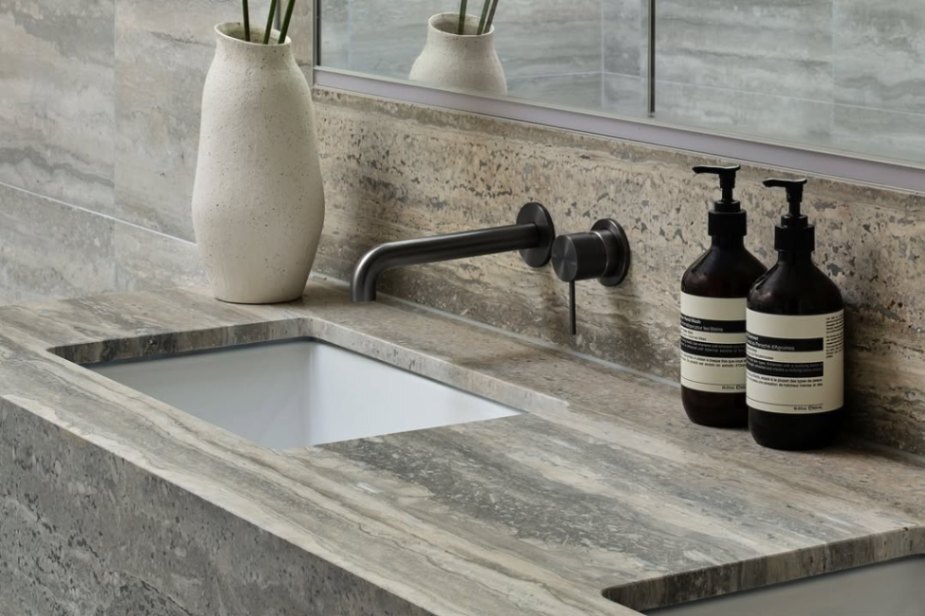
When comparing materials, look beyond the purchase price. Factor in longevity, maintenance and installation.
A simplified spectrum looks like this:
- Ultrabudget options like laminate, some timber, and certain tile solutions cost less upfront but may not last as long as premium stone or ultracompact surfaces.
- Mid‑range materials—solid surface, many porcelains, mineral surfaces, and some concrete—offer durability with moderate prices.
- Premium options like ultracompact/sintered surfaces, bespoke natural stone, and complex terrazzo cost more but can last decades and add resale value.
General Cost Spectrum
NOTE: The figures below are indicative only; actual prices vary by supplier, region, thickness and edge detail, so always obtain quotes for your specific design.
Material | Approx. cost (per square metre) | Maintenance level | Notes |
Laminate | Low | Low | Affordable with many patterns; ideal for rentals and budget makeovers; avoid direct heat. |
Timber | Low–Medium | Medium–High | Warm and tactile; great for family kitchens and breakfast bars; needs regular sealing. |
Solid surface | Medium | Low | Seamless, hygienic and repairable; good for busy family kitchens and low-fuss entertainers. |
Porcelain | Medium | Low | Highly durable and low-maintenance; excellent for hard-working family kitchens and modern homes. |
Mineral/zero‑silica | Medium | Low | Safe, stone-like look; suits renovators wanting engineered stone aesthetics without the silica risk. |
Concrete | Medium | Medium | Customisable and heavy; best for design-led, industrial kitchens where patina is accepted. |
Natural stone | Medium–High | Medium–High | Unique veining and luxury feel; ideal for statement islands and design-driven homes. |
Ultracompact/sintered | High | Low | Extremely durable and UV-stable; ideal for premium family kitchens and outdoor benches. |
Stainless steel | Medium | Low | Commercial, professional look; great for serious cooks and butler’s pantries; develops patina. |
Recycled glass/terrazzo | Medium | Medium | Eco-conscious and distinctive; perfect for expressive, design-forward spaces and feature islands. |
Matching Tapware and Benchtops
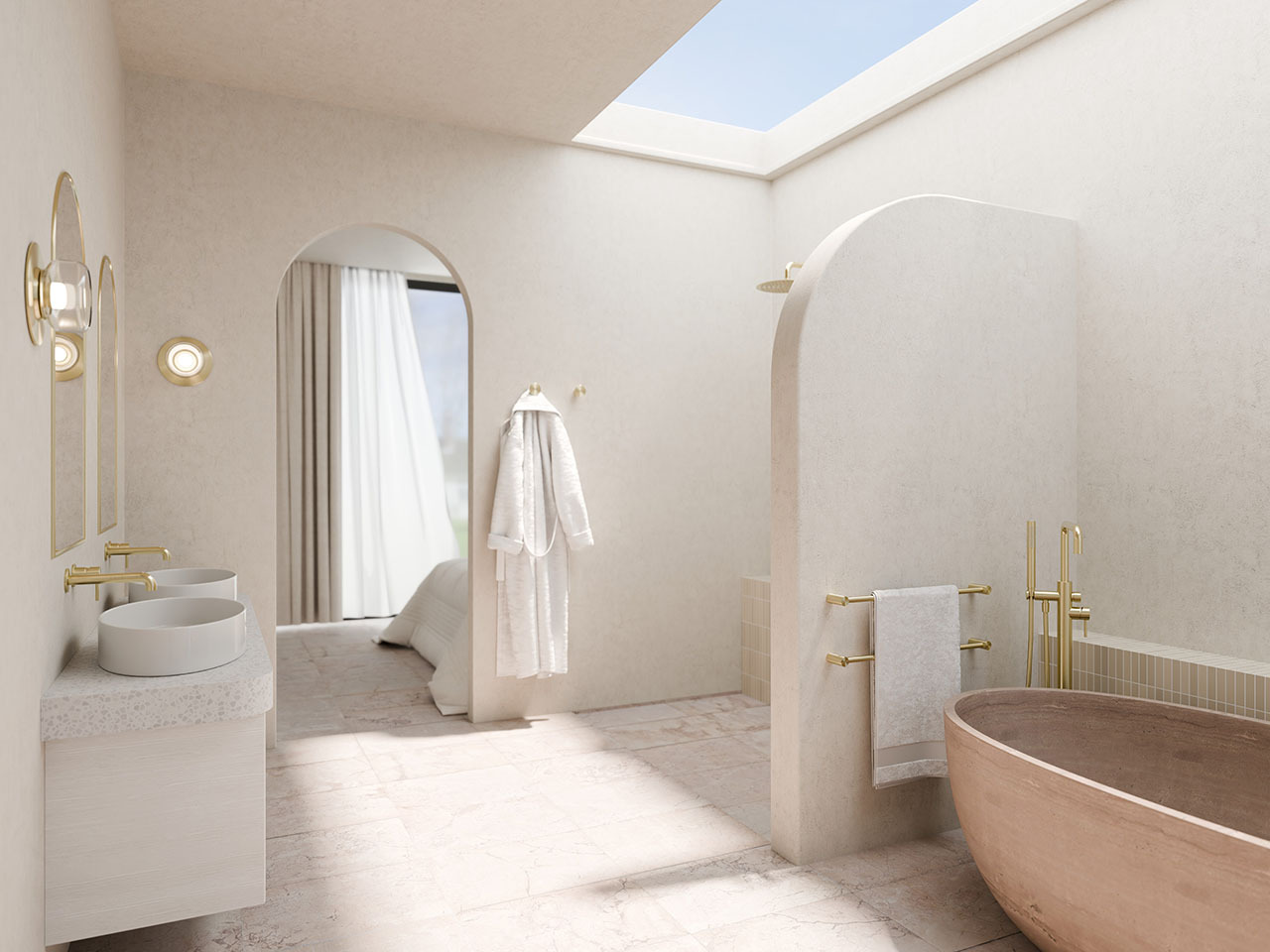
Your benchtop choice doesn’t sit in isolation – it works alongside your tapware, sink, hardware and lighting to create the overall mood of the space. Nero Tapware’s range of finishes—from chrome and matte black to brushed gold and PVD black— can either echo your benchtop material for a calm, tonal look or contrast with it for more drama.
For example:
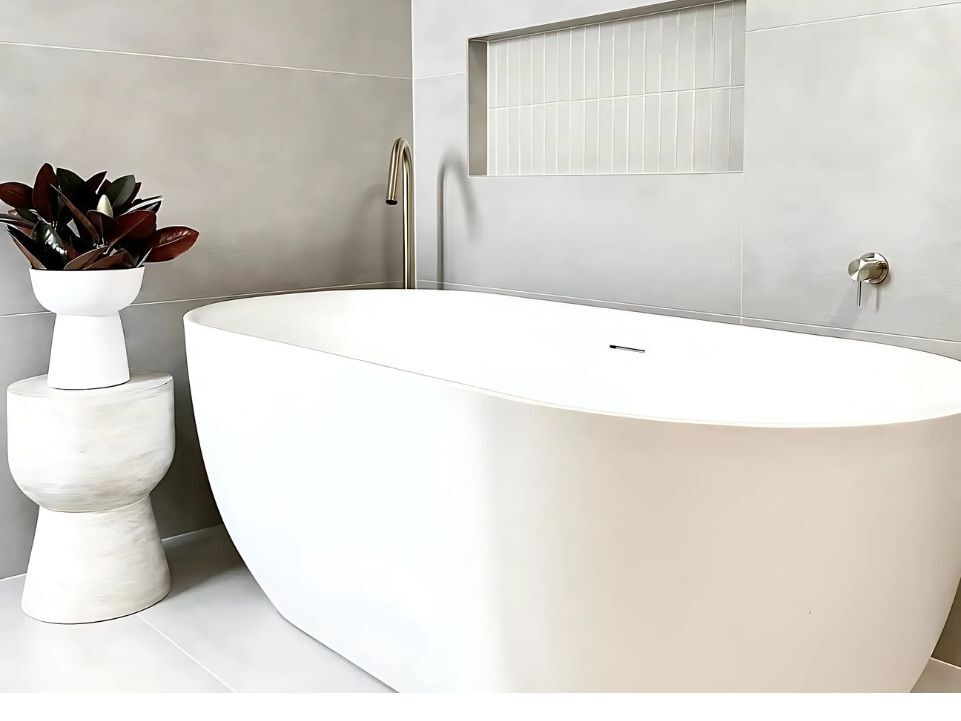
- Stone and porcelain: Brushed nickel or brushed gold taps from the Serenity or Zen collections create a refined look that echoes natural textures – ideal for calm, understated kitchens and bathrooms.
- Timber: Matte black or graphite taps from the Mecca and York ranges provide a striking contrast that emphasises the warmth of wood, suiting modern coastal and Scandi-inspired spaces.
- Industrial surfaces (concrete, stainless steel): Gun metal from the Opal, Bianca, and Dolce collections lean into an industrial, understated palette that works well with grey, charcoal and steel.
You can also mix metals intentionally for a more layered look – for example, brushed nickel tapware with matte black cabinet pulls, or brushed gold taps with stainless appliances and warm stone. The key is to repeat each metal at least twice so the palette feels deliberate rather than random.
Need more design ideas? Explore the Nero Design Hub for interior design guides, including how to choose tapware and mix metals for your kitchen or bathroom.
Frequently Asked Questions
Is engineered stone still safe to have in my home?
Existing engineered stone benchtops are considered safe for everyday use when left undisturbed. Risk arises if they’re cut, drilled or ground, so any modifications should be done by appropriately licensed professionals following WHS requirements.
What is the best alternative to engineered stone?
There is no single “best” material; it depends on your priorities. Porcelain and ultracompact surfaces offer durability and minimal upkeep. Mineral surfaces provide a stone‑like look without silica. Natural stone and timber deliver unique aesthetics but require more care. Compare cost, maintenance and style to find your perfect fit.
Are cheaper alternatives to engineering stone worth it?
Laminate and timber benchtops cost less and suit budget renovations. High‑pressure laminates are more durable than older laminates and mimic stone or timber convincingly. Timber adds warmth but needs regular sealing. Choosing a cheaper material can free up budget for premium tapware and hardware.
Can I mix materials?
Yes. Combining surfaces can add interest and functionality. For example, use durable porcelain around the cooktop and a timber breakfast bar for warmth. Pair mixed materials with coordinated tapware finishes for a cohesive look. Always consult with your builder or designer to ensure structural integrity and aesthetic harmony.
Next Steps: Match Your Benchtop With Luxurious Nero Tapware Products
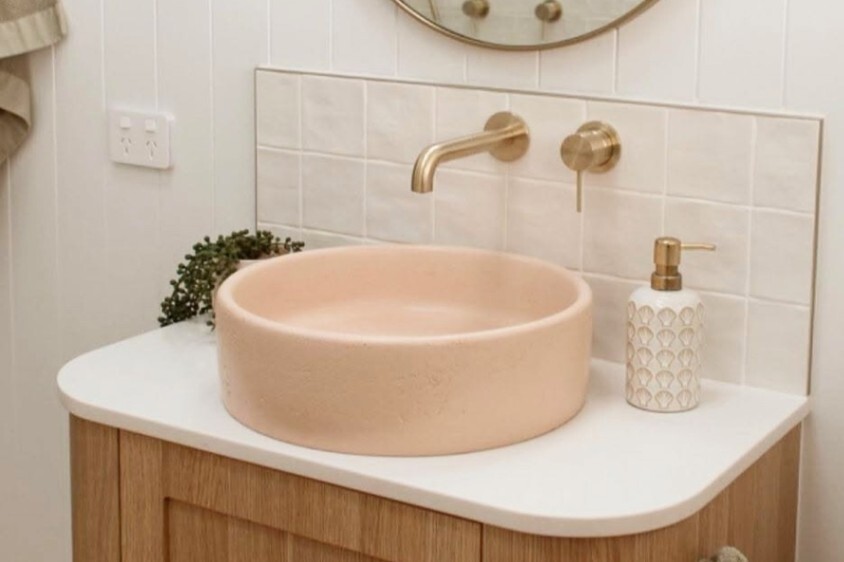
The engineered stone ban has changed what goes into Australian kitchens and bathrooms, but it hasn’t limited what they can feel like. By choosing safe, well-understood materials and pairing them with carefully considered tapware, you can create spaces that are both responsible and beautiful.
Nero Tapware believes your home reflects who you are. Our thoughtfully designed taps and accessories—crafted in Australia for Australian conditions—help you complete your space with calm confidence. Explore collections like Mecca, Serenity, Zen, Opal, Bianca, and more, each offering refined finishes and reliable performance. Your home. Your style. Nero is the finishing touch.
Important Disclaimer: The information in this article is provided for general guidance only. Nero Tapware is not a medical, safety or regulatory authority, and we recommend consulting qualified professionals or official government resources for advice on engineered stone regulations, product suitability and installation requirements.